

Blogs
Dental Implants: Everything You Need to Know Before Replacing Missing Teeth
Missing teeth can affect much more than your smile. They can make chewing difficult, alter your speech, cause neighboring teeth to shift, and even lead to bone loss in the jaw over time. Fortunately, dental implants offer a permanent, natural-looking, and highly successful solution for replacing one or more missing teeth.
Whether you've lost a tooth due to decay, injury, or gum disease, understanding how dental implants work can help you make an informed decision about restoring your smile and oral health.
What Are Dental Implants?
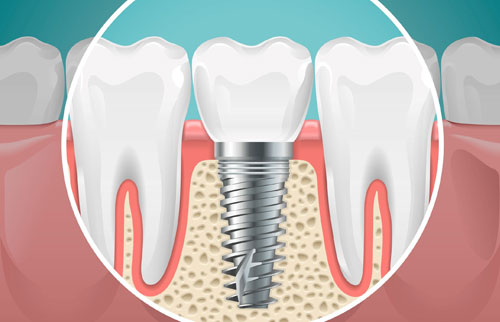
Dental implants are small titanium posts that are surgically placed into the jawbone to replace the roots of missing teeth. Once the implant fuses with the bone, a custom-made dental crown, bridge, or denture is attached, providing a strong, stable, and natural-looking replacement.
Unlike removable dentures, dental implants function like natural teeth, allowing you to eat, speak, and smile with confidence.
Who Can Benefit from Dental Implants?
- People missing one or more teeth.
- Patients with healthy gums and sufficient jawbone.
- Individuals looking for a long-term tooth replacement.
- Those who struggle with loose or uncomfortable dentures.
- Patients wanting improved chewing ability and speech.
- Adults seeking a natural-looking smile restoration.
Benefits of Dental Implants
Dental implants are considered the gold standard for replacing missing teeth because they provide excellent function, durability, and aesthetics while preserving oral health.
- Look and feel like natural teeth.
- Restore comfortable chewing and speaking.
- Prevent jawbone loss after tooth loss.
- Do not affect neighboring healthy teeth.
- Provide long-lasting results with proper care.
- Improve confidence and smile aesthetics.
Types of Dental Implant Treatments
- Single Tooth Implant: Replaces one missing tooth.
- Implant-Supported Bridge: Replaces multiple missing teeth.
- All-on-4 Dental Implants: Full-arch restoration supported by four implants.
- All-on-6 / All-on-8 Dental Implants: Provides additional support for complete arch rehabilitation.
- Implant-Supported Overdentures: Offers greater stability than conventional dentures.
What Is the Dental Implant Procedure?
Every implant treatment begins with a detailed dental examination, digital imaging, and personalized treatment planning. The implant is placed into the jawbone, where it gradually bonds with the bone through a natural healing process called osseointegration. Once healing is complete, a custom-made dental crown or prosthesis is securely attached.
Caring for Your Dental Implants
- Brush your teeth twice daily.
- Clean between implants using floss or interdental brushes.
- Attend regular dental check-ups and professional cleanings.
- Avoid smoking, which may affect implant healing.
- Maintain healthy gums for long-term implant success.
- Follow your dentist's post-treatment instructions carefully.
When Should You Consider Dental Implants?
If you have one or more missing teeth, difficulty chewing, loose dentures, or want a fixed and natural-looking replacement, a dental implant consultation can help determine the most suitable treatment for your needs. Early treatment also helps preserve jawbone and prevents neighboring teeth from shifting.
Restore Your Smile at Everyouth Dental Clinic
At Everyouth Dental Clinic, we provide comprehensive dental implant solutions using advanced technology and personalized treatment planning. Whether you require a single implant, implant-supported bridge, All-on-4, All-on-6, or full-mouth rehabilitation, our team is committed to restoring your smile with precision, comfort, and long-lasting results.
Book your consultation today and discover how dental implants can restore your smile, confidence, and quality of life.