

Best Root Canal Treatment in Ghatkopar West
Reliable Root Canal Treatment in Ghatkopar West for Infected or Damaged Teeth
Persistent tooth pain, sensitivity, or discomfort while chewing can sometimes indicate an infection or inflammation inside a tooth. When the dental pulp is affected, root canal treatment may be recommended to remove the infected tissue, clean the root canal system, and restore the tooth so it can continue to function.
If you are looking for the Best Root Canal Treatment in Ghatkopar West, Everyouth Dental Clinic provides diagnosis and restorative dental care with a focus on preserving natural teeth wherever possible. The treatment approach is based on the condition of the affected tooth, surrounding tissues, and the patient's overall oral health.
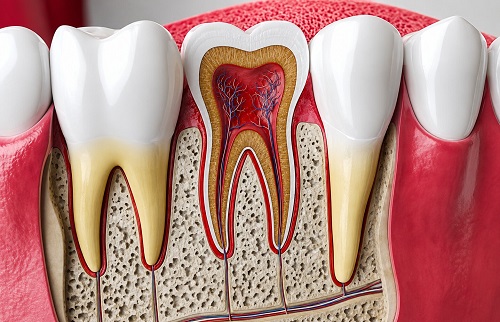
What Is Root Canal Treatment?
Root canal treatment is a dental procedure used to treat a tooth when the pulp inside it becomes infected, inflamed, or irreversibly damaged. The pulp contains nerves and blood vessels, and problems can develop when bacteria reach this inner part of the tooth through deep decay, cracks, trauma, or repeated dental procedures.
During root canal treatment, the affected pulp is removed, the internal canals are cleaned and disinfected, and the tooth is sealed. A restoration such as a crown may then be recommended to protect the treated tooth, depending on how much tooth structure remains.
The aim is to preserve the natural tooth rather than removing it when it can be predictably restored.
When Is Root Canal Treatment Needed?
Not every toothache requires a root canal. The need for treatment depends on the underlying cause and the condition of the dental pulp.
Root canal treatment may be considered when a tooth has:
- Deep dental decay
- Infection within the pulp
- Persistent toothache
- Prolonged sensitivity to hot or cold
- Pain while chewing or biting
- A cracked or damaged tooth
- Dental trauma affecting the pulp
- Repeated dental procedures on the same tooth
- Swelling or an abscess associated with the tooth
Some infected teeth may not cause severe pain, which is why a dental examination is important when there are signs of infection or changes around a tooth.
Common Symptoms of an Infected Tooth
The symptoms of pulp inflammation or infection can vary. Some patients experience significant pain, while others may notice only mild or intermittent symptoms.
Possible warning signs include:
- Persistent toothache
- Sensitivity to hot or cold
- Pain that continues after eating or drinking
- Pain while biting or chewing
- Swelling around the tooth or gums
- Tenderness near the affected tooth
- Darkening or discoloration of a tooth
- A recurring pimple or swelling on the gums
If you notice these symptoms, an examination can help determine whether the problem is related to the dental pulp or another condition.
Why Is Early Root Canal Treatment Important?
When the dental pulp is infected, delaying evaluation may allow the infection to spread into the tissues surrounding the root. The extent of damage can increase over time, potentially making treatment more complicated.
Early assessment can help determine whether the tooth can be preserved and what treatment is appropriate. If root canal treatment is indicated, timely care can help control infection, relieve symptoms, and protect the surrounding structures.
The objective is not simply to eliminate pain but to address the underlying source of the problem.
How Is Root Canal Treatment Diagnosed?
Before recommending root canal treatment, the dentist evaluates the affected tooth and the surrounding area. The diagnosis is based on your symptoms, clinical examination, and, when required, dental imaging.
A dental X-ray can provide useful information about the roots, surrounding bone, depth of decay, and changes around the root that may not be visible during a routine examination.
The dentist may also assess the tooth's response to different diagnostic tests to understand the condition of the pulp and determine whether root canal treatment is appropriate.
Root Canal Treatment Procedure
The exact procedure varies according to the tooth and the extent of infection, but treatment generally involves several stages.
Examination and Diagnosis
The affected tooth is examined to determine the cause of pain or other symptoms. Dental X-rays may be taken when required for diagnosis and treatment planning.
Local Anaesthesia
Local anaesthesia is used to numb the affected area and help make the procedure comfortable.
Removal of Infected Pulp
The damaged or infected pulp tissue is carefully removed from inside the tooth.
Cleaning and Shaping
The root canals are cleaned and shaped to remove infected material and prepare them for sealing.
Sealing the Canals
After appropriate cleaning, the canals are filled and sealed to reduce the possibility of further bacterial contamination.
Final Restoration
Depending on the amount of remaining tooth structure, a filling or dental crown/cap may be recommended to restore the tooth and protect it from further damage.
Why May a Crown Be Needed After Root Canal Treatment?
A tooth that has undergone root canal treatment may have lost a significant amount of natural structure due to decay, cracks, previous restorations, or the treatment itself.
In such cases, a crown can provide additional protection and restore the tooth's shape and function. The need for a crown depends on the location of the tooth, remaining tooth structure, biting forces, and the individual treatment plan.
At Everyouth Dental Clinic, caps/crowns can be considered as part of restorative treatment when appropriate.
Root Canal Treatment vs Tooth Extraction
When a tooth is badly damaged or infected, patients may sometimes wonder whether it should be treated or removed.
If the tooth has sufficient healthy structure and can be predictably restored, root canal treatment may provide an opportunity to preserve the natural tooth. Extraction may be considered when a tooth is too damaged, fractured, or otherwise unsuitable for predictable restoration.
Preserving a natural tooth can help maintain normal chewing function and avoid creating a gap that may later require tooth replacement.
If extraction is necessary, replacement options such as a dental implant, bridge, or denture can be discussed depending on the patient's circumstances.
Root Canal Treatment for Broken or Traumatized Teeth
A crack, fracture, or dental injury can sometimes expose or damage the pulp inside a tooth. In such situations, treatment depends on the location and severity of the damage.
A broken tooth should be assessed promptly, particularly when it is accompanied by pain, sensitivity, bleeding, or swelling. Emergency dental management can help determine whether the tooth can be restored and whether the pulp has been affected.
If your tooth has been damaged following an accident or injury, timely emergency dental management for trauma or broken teeth can help prevent further complications.
What Happens After Root Canal Treatment?
Some tenderness around the treated tooth may occur after the procedure, particularly when the surrounding tissues were already inflamed. Your dentist can provide specific aftercare instructions based on your treatment.
It is important to avoid putting excessive pressure on a tooth that requires a final restoration until it has been appropriately protected.
Maintaining regular brushing, flossing, and dental checkups remains important after root canal treatment. A treated tooth can function for many years when properly restored and maintained, although it should still be monitored as part of routine dental care.
Can Root Canal Treatment Save a Natural Tooth?
One of the main purposes of root canal treatment is to preserve a natural tooth that would otherwise potentially require extraction because of infection or pulp damage.
The treatment does not make every damaged tooth restorable. The dentist must first determine whether enough healthy tooth structure remains and whether the tooth can be predictably restored.
When preservation is possible, root canal treatment followed by an appropriate restoration can allow the tooth to continue functioning as part of the natural dentition.
Root Canal Treatment at Everyouth Dental Clinic
At Everyouth Dental Clinic, root canal treatment is approached through proper diagnosis and individualized treatment planning. The affected tooth is evaluated to understand the source of the symptoms before treatment is recommended.
Depending on the condition of the tooth, treatment may involve dental X-rays, root canal therapy, a filling, or a protective crown. When a tooth cannot be predictably preserved, other options can be discussed.
The clinic's broader restorative dental services also allow related concerns, such as damaged teeth, missing teeth, or existing restorations, to be considered as part of the overall treatment plan.
When Should You See a Dentist for Tooth Pain?
You should arrange a dental examination if you experience:
- Tooth pain that persists or keeps returning
- Sensitivity to hot or cold that lingers
- Pain while biting or chewing
- Swelling around the tooth
- A broken or cracked tooth
- Tooth discoloration
- A recurring swelling or pimple on the gums
- Severe pain following dental trauma
Do not rely only on pain intensity to determine whether a tooth requires treatment. Some dental infections can develop with limited symptoms, making professional assessment important.
Why Choose Everyouth Dental Clinic in Ghatkopar West?
Everyouth Dental Clinic provides dental care in a comfortable and patient-friendly environment, supported by experienced dental professionals and modern dental technology.
For patients requiring root canal treatment, the focus is on identifying the cause of the problem, preserving natural tooth structure where possible, and planning the appropriate restoration after treatment.
The clinic also provides related restorative services, including dental fillings, crowns and bridges, dental X-rays, tooth extraction, and emergency management for damaged teeth. This allows treatment to be planned according to the individual condition of the tooth rather than treating the root canal problem in isolation.
Best Root Canal Treatment in Ghatkopar West
If you are searching for the Best Root Canal Treatment in Ghatkopar West, Everyouth Dental Clinic provides evaluation and restorative care for teeth affected by deep decay, pulp damage, infection, trauma, and other conditions that may require root canal treatment.
The priority is to diagnose the cause of the problem and determine whether the natural tooth can be preserved. When root canal treatment is appropriate, the tooth can be cleaned, sealed, and restored according to its structural requirements.
If you are experiencing persistent tooth pain, sensitivity, swelling, or discomfort while chewing, schedule a dental consultation at Everyouth Dental Clinic in Ghatkopar West to determine the cause and discuss the appropriate treatment.
Frequently Asked Questions
What is root canal treatment?
Root canal treatment is a procedure used to treat a tooth when the pulp inside it becomes infected, inflamed, or severely damaged. The affected tissue is removed, the canals are cleaned and sealed, and the tooth is restored.
Is root canal treatment painful?
Modern root canal treatment is performed under local anaesthesia to numb the affected area. Some tenderness may occur after treatment, particularly when there was significant infection or inflammation, but your dentist can provide appropriate aftercare guidance.
How do I know if I need a root canal?
Persistent toothache, prolonged sensitivity to hot or cold, pain while chewing, swelling, tooth discoloration, or a damaged tooth can indicate a problem involving the pulp. A dental examination and, when required, X-rays are needed to determine whether root canal treatment is appropriate.
Can a root canal save my natural tooth?
When a tooth has sufficient healthy structure and can be predictably restored, root canal treatment may allow the natural tooth to be preserved instead of extracted. The dentist must assess the tooth before determining whether it is suitable for treatment.
Is a crown necessary after a root canal?
A crown may be recommended when the treated tooth has significant structural loss or is exposed to substantial biting forces. The need for a crown depends on the tooth's location, remaining structure, and individual treatment plan.
Can a broken tooth require root canal treatment?
Yes. A crack or fracture can sometimes damage or expose the dental pulp. Whether root canal treatment is possible depends on the location and severity of the fracture and whether enough healthy tooth structure remains.
Can I get a root canal instead of an extraction?
In some cases, yes. If the tooth can be predictably restored, root canal treatment may provide an option for preserving it. If the tooth is too severely damaged or fractured, extraction may be recommended instead.
What happens if an infected tooth is left untreated?
An untreated dental infection can potentially progress and affect the tissues surrounding the tooth. It may also lead to increasing pain or swelling. Early dental evaluation can help determine the appropriate treatment before the problem becomes more extensive.
Do I need an X-ray before root canal treatment?
Dental X-rays are commonly used when evaluating teeth suspected of having pulp or root-related problems. Imaging can help the dentist assess the roots, surrounding bone, and extent of the problem and assist with treatment planning.
How long does root canal treatment take?
Treatment time varies depending on the tooth, number of canals, severity of infection, and complexity of the case. Your dentist can provide a more specific estimate after examining the tooth.