

Best Pediatric Dentist in Ghatkopar West
Specialized Pediatric Dental Care from the Best Pediatric Dentist in Ghatkopar West
Choosing the right dentist for a child is about more than treating cavities or tooth pain. Children's teeth and jaws are continuously developing, so dental care needs to consider their age, stage of development, oral habits, behaviour, and long-term dental health. If you are looking for the Best Pediatric Dentist in Ghatkopar West, Everyouth Dental Clinic provides specialized dental care for infants, children, and growing adolescents in a comfortable and child-friendly environment.
Everyouth Dental Clinic provides both general and pediatric dentistry, with dedicated pediatric dental specialists. The clinic's pediatric team includes Dr. Ashveeta Shetty, Chief Paediatric Dentist, who holds BDS and MDS in Pedodontics and Preventive Dentistry. The clinic also provides treatment options for children who require additional behavioural support or have difficulty coping with conventional dental treatment.
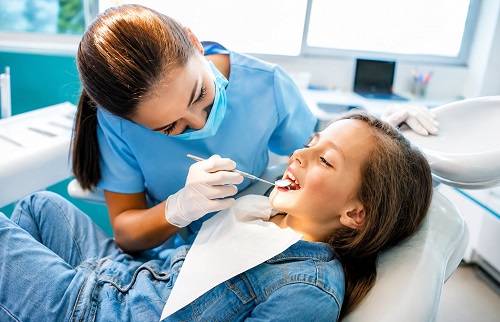
Why Pediatric Dentistry Is Important
Children's dental needs change as their primary teeth develop, permanent teeth begin to erupt, and the jaws continue to grow. Problems that are identified early can often be managed before they become more complicated.
Pediatric dentistry focuses on maintaining healthy primary and permanent teeth while helping children develop good oral hygiene habits. Regular dental visits can help identify:
- Tooth decay and cavities
- Problems with erupting teeth
- Tooth sensitivity or pain
- Damaged or broken teeth
- Early orthodontic concerns
- Harmful oral habits
- Problems with spacing or tooth alignment
- Dental anxiety or difficulty cooperating during treatment
The goal is to create a positive dental experience while protecting a child's developing oral health.
Pediatric Dental Care at Everyouth Dental Clinic
Everyouth Dental Clinic offers a range of dental treatments designed specifically around children's needs. Depending on the child's age and dental condition, treatment may include:
- Children's dental checkups
- Preventive dentistry
- Dental fillings
- Pit and fissure sealants
- Pulp therapy
- Tooth extraction
- Space maintainers
- Oral habit management
- Myofunctional orthopedic treatment
- Orthodontic evaluation
- Dental care for children with special healthcare needs
- Treatment for dental trauma and broken teeth
A child's treatment is planned after considering their dental development, symptoms, behaviour, and individual requirements.
Preventive Dentistry for Children
Prevention is one of the most important aspects of pediatric dental care. Regular checkups allow the dentist to monitor tooth development and identify early signs of decay or other dental problems.
Professional dental cleaning, fluoride-based preventive measures where appropriate, oral hygiene guidance, and regular examinations can help children maintain healthier teeth.
Parents can also receive guidance about brushing techniques, dietary habits, bottle or feeding practices, and other factors that may influence children's oral health.
Pit and Fissure Sealants for Cavity Prevention
The grooves and pits on the chewing surfaces of children's back teeth can sometimes retain food particles and plaque, making them more difficult to clean effectively.
Pit and fissure sealants can be used in suitable cases to provide a protective covering over these vulnerable areas. The dentist evaluates the child's teeth to determine whether sealant treatment is appropriate.
Sealants are a preventive measure and do not replace regular brushing, flossing, healthy dietary habits, or dental checkups.
Dental Fillings for Children
Cavities are common dental concerns during childhood. If tooth decay is detected, a dental filling may be recommended to remove the affected portion and restore the tooth.
Treating decay at an early stage can help prevent the cavity from progressing deeper into the tooth. Leaving untreated decay may eventually result in pain, infection, or the need for more extensive treatment.
The type of restoration selected depends on the child's tooth, extent of decay, age, and clinical requirements.
Pulp Therapy for Primary Teeth
When decay or trauma reaches the inner part of a primary tooth, simply placing a filling may not be sufficient. In selected cases, pulp therapy may be recommended to manage the affected tissue and preserve the tooth until it is naturally ready to be replaced.
Primary teeth play important roles in chewing, speech, and maintaining appropriate space for permanent teeth. Preserving them when clinically possible can therefore be important for a child's developing dentition.
Space Maintainers for Developing Teeth
When a primary tooth is lost significantly earlier than expected, the surrounding teeth may shift into the available space. This can sometimes interfere with the eruption and alignment of the permanent tooth.
A space maintainer may be recommended in selected cases to help preserve the required space until the permanent tooth is ready to erupt.
The need for a space maintainer depends on the child's age, the tooth that was lost, the stage of permanent tooth development, and the position of the surrounding teeth.
Managing Oral Habits in Children
Certain childhood habits can affect the development of the teeth and jaws when they continue beyond the appropriate developmental stage.
Examples include:
- Thumb sucking
- Finger sucking
- Tongue thrusting
- Prolonged pacifier use
- Other repetitive oral habits
Pediatric dental assessment can help identify whether an oral habit is affecting dental development. Oral habit management focuses on understanding the cause of the habit and determining an appropriate approach based on the child's age and individual circumstances.
Myofunctional and Early Orthodontic Assessment
Some children may develop concerns related to tooth alignment, jaw development, spacing, crowding, or oral muscle function.
Early assessment can help identify whether monitoring is sufficient or whether intervention may be beneficial. Depending on the child's condition, treatment may involve myofunctional orthopedic care, orthodontic evaluation, braces, or clear aligners at the appropriate stage of dental development.
Early evaluation does not necessarily mean that every child needs orthodontic treatment. It helps determine the right time and approach if treatment becomes necessary.
Dental Care for Children With Special Healthcare Needs
Some children may require additional support during dental treatment because of their medical, developmental, behavioural, or communication needs.
Everyouth Dental Clinic provides dental care for children with special healthcare needs, with treatment planning adapted to the child's individual circumstances.
The focus is on understanding the child's needs, maintaining comfort, communicating appropriately with parents or caregivers, and selecting a suitable approach to dental treatment.
Emergency Dental Care for Children
Children can experience dental injuries while playing, participating in sports, or during accidental falls. A chipped, fractured, displaced, or knocked-out tooth should be assessed promptly.
Everyouth Dental Clinic provides emergency dental management for trauma or broken teeth, including evaluation of dental injuries, appropriate diagnostic assessment, and treatment planning.
Parents should seek prompt dental attention after an injury, especially when there is significant pain, bleeding, swelling, a loose or displaced tooth, or damage to a permanent tooth.
What Happens During a Child's Dental Visit?
A pediatric dental visit is generally tailored to the child's age, behaviour, and dental needs.
The dentist may:
- Discuss the child's dental history and current concern.
- Examine the teeth, gums, bite, and developing dentition.
- Check for cavities, dental abnormalities, or signs of infection.
- Evaluate tooth eruption and alignment when appropriate.
- Recommend dental X-rays if clinically required.
- Explain the findings to the parent or caregiver.
- Discuss preventive measures or treatment options.
- Create a treatment plan based on the child's individual needs.
The approach can be adjusted for younger children or children who are anxious about dental treatment.
How Parents Can Maintain Their Child's Dental Health
Parents play an important role in establishing good oral hygiene habits at home.
- Help young children brush their teeth twice daily.
- Use age-appropriate fluoride toothpaste as advised by the dentist.
- Encourage healthy eating and limit frequent sugary snacks and drinks.
- Avoid allowing children to regularly sleep with a bottle containing sugary liquids.
- Encourage children to drink water.
- Replace toothbrushes when the bristles become worn.
- Encourage regular dental checkups.
- Use appropriate protective equipment during sports.
- Seek dental advice if you notice pain, discoloration, swelling, or changes in tooth eruption.
Good home care combined with regular professional dental assessment can support healthy oral development.
When Should Your Child Visit a Pediatric Dentist?
Parents should consider scheduling a dental visit if their child has:
- Toothache or sensitivity
- Visible cavities
- Swollen or bleeding gums
- A broken or chipped tooth
- A loose or displaced tooth after an injury
- Difficulty chewing
- Delayed or unusual tooth eruption
- Crowded or crooked teeth
- Persistent thumb sucking or other oral habits
- Fear or difficulty coping with dental treatment
- A dental injury during sports or play
A child does not need to wait until they develop significant pain before seeing a dentist. Regular preventive visits can help monitor oral development and identify concerns earlier.
Why Choose Everyouth Dental Clinic for Pediatric Dentistry?
Everyouth Dental Clinic combines general and specialized dental care, allowing children to receive treatment for preventive, restorative, developmental, orthodontic, and emergency dental concerns.
The clinic has dedicated pediatric dental specialists and provides advanced pediatric treatment options, including care for children who may have difficulty coping with conventional dental treatment. The clinic also emphasizes cleanliness, sterilization, patient comfort, and ethical dental care.
This combination of specialized pediatric care and access to other dental services can be useful when a child requires treatment beyond a routine checkup.
Best Pediatric Dentist in Ghatkopar West for Child-Friendly Dental Care
If you are searching for the Best Pediatric Dentist in Ghatkopar West, Everyouth Dental Clinic provides specialized dental care focused on children's developing teeth, preventive oral health, dental treatment, and long-term development.
From routine examinations and cavity prevention to fillings, pulp therapy, space maintainers, oral habit management, orthodontic assessment, and emergency dental care, treatment is planned according to the child's age and individual dental needs.
With dedicated pediatric dental specialists and a patient-focused approach, Everyouth Dental Clinic aims to make dental care comfortable and positive for children while helping parents make informed decisions about their child's oral health.
Book a pediatric dental consultation at Everyouth Dental Clinic in Ghatkopar West if your child needs a dental checkup, has a dental concern, or requires specialized pediatric dental treatment.
Frequently Asked Questions
What does a pediatric dentist do?
A pediatric dentist specializes in dental care for infants, children, and adolescents. Pediatric dental care includes preventive checkups, cavity treatment, pulp therapy, dental trauma management, monitoring tooth development, oral habit management, and early orthodontic assessment.
When should my child first visit a dentist?
A child's dental needs should be assessed early so that oral development and preventive care can be monitored. Your pediatric dentist can recommend an appropriate schedule based on the child's age, dental health, and risk of tooth decay.
How often should children visit a pediatric dentist?
The recommended frequency depends on the child's oral health, dental history, cavity risk, and stage of development. Regular visits allow the dentist to monitor developing teeth and identify problems before they become more advanced.
Does Everyouth Dental Clinic provide pediatric dental treatment?
Yes. Everyouth Dental Clinic provides specialized pediatric dental care, including preventive dentistry, fillings, pulp therapy, pit and fissure sealants, space maintainers, tooth extraction, oral habit management, orthodontic care, and treatment for children with special healthcare needs.
What if my child is afraid of the dentist?
Children can have different levels of anxiety about dental treatment. A pediatric dentist can adapt communication and treatment approaches according to the child's age and behaviour. Parents should also avoid using frightening dental terms and help the child understand that the dental visit is a routine part of staying healthy.
Does pediatric dentistry include cavity treatment?
Yes. Pediatric dental care includes diagnosis and treatment of cavities. Depending on the extent of decay, treatment may involve a filling or, when the deeper tissues of a primary tooth are affected, pulp therapy.
What are pit and fissure sealants?
Pit and fissure sealants are protective materials placed in the grooves of suitable teeth, particularly chewing surfaces that may be difficult to clean. They can help reduce the risk of decay in these areas but do not replace regular brushing and dental checkups.
What is pulp therapy for children?
Pulp therapy is a treatment used when the inner tissue of a primary tooth is affected by decay or trauma. It may help preserve the tooth when appropriate and allow it to continue functioning until its normal time of replacement.
Does Everyouth Dental Clinic treat children with special healthcare needs?
Yes. The clinic provides dental care for children with special healthcare needs and can adapt treatment planning according to the child's individual requirements.
Can a pediatric dentist check my child's teeth alignment?
Yes. A pediatric dental examination can monitor tooth eruption, spacing, crowding, and other developmental concerns. If further orthodontic assessment is appropriate, treatment options can be discussed based on the child's stage of development.
What should I do if my child breaks or knocks out a tooth?
Seek dental assessment as soon as possible, particularly when a permanent tooth is involved or there is significant pain, bleeding, or swelling. Keep any broken tooth fragment safely and avoid attempting to repair the tooth at home. Everyouth Dental Clinic provides emergency dental management for children's dental trauma.