

Best Dental Implant Clinic in Ghatkopar West
Comprehensive Dental Implant Solutions at the Best Dental Implant Clinic in Ghatkopar West
Replacing missing teeth requires careful diagnosis, treatment planning, and the right restorative approach. If you are looking for the Best Dental Implant Clinic in Ghatkopar West, Everyouth Dental Clinic provides implant and prosthodontic treatment for patients with single, multiple, or extensive tooth loss.
Everyouth Dental Clinic is a multi-specialty dental clinic in Ghatkopar West with a focus on advanced dental care, patient comfort, and individualized treatment planning. The clinic provides dental implants along with related treatments such as crowns and bridges, dentures, overdentures, and full-mouth rehabilitation.
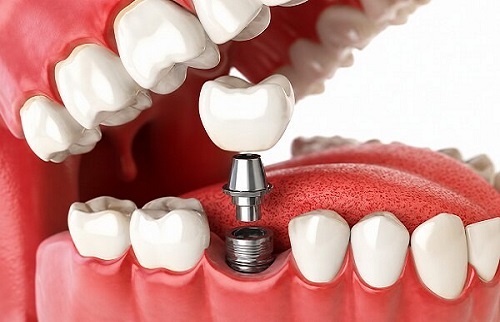
Dental Implant Care at Everyouth Dental Clinic
Dental implants are a tooth-replacement option for patients who have lost one or more teeth. Unlike removable dentures, implants can provide a fixed foundation for a dental restoration in suitable cases.
The appropriate implant solution depends on factors such as:
- Number and location of missing teeth
- Condition of the gums
- Available jawbone
- Health of the remaining teeth
- Bite and chewing requirements
- Type of restoration required
- Overall oral health
A detailed dental assessment is therefore important before deciding which implant treatment is appropriate.
Dr. Niranjan Adhav – Prosthodontist & Implantologist
Dr. Niranjan Adhav is the Founder and Chief Prosthodontist, Cosmetic Dentist & Implantologist at Everyouth Dental Clinic. He has 13+ years of clinical experience and has completed his MDS in Oral and Maxillofacial Prosthodontics, Crown and Bridge including Dental Implantology, along with a Fellowship in Dental Implantology.
His prosthodontic training is particularly relevant to implant treatment because successful tooth replacement involves not only the implant but also the design, function, appearance, and fit of the final restoration.
His clinical areas include:
- Dental implants
- Implant-supported restorations
- Crowns and bridges
- Dentures
- Overdentures
- Full-mouth rehabilitation
- Cosmetic dentistry
- Smile designing
Who May Need Dental Implants?
Dental implants may be considered for patients who have lost teeth because of decay, trauma, gum disease, or other dental conditions.
An implant consultation may be appropriate if you have:
- A single missing tooth
- Multiple missing teeth
- Several damaged teeth requiring replacement
- Difficulty chewing because of missing teeth
- Loose or uncomfortable dentures
- Gaps affecting the appearance of your smile
- Extensive tooth loss requiring full-arch rehabilitation
Not every patient will require the same type or number of implants. The treatment plan should be based on the individual's dental condition rather than using a standard approach for everyone.
Single Tooth Dental Implant
When a single tooth is missing, an implant-supported crown can be considered as a replacement option.
The implant acts as a foundation for the replacement tooth, while the final crown is designed to restore the visible portion of the tooth.
Before treatment, the dentist evaluates the surrounding teeth, gums, bone, bite, and space available for the replacement tooth.
When appropriate, a single implant can restore the missing tooth without relying on neighbouring teeth for support.
Multiple Dental Implants
Patients who have lost several teeth may require more than one implant. Depending on the location of the missing teeth and the planned restoration, implants may support individual crowns or an implant-supported bridge.
The number and position of implants are determined during treatment planning. Factors such as available bone, spacing, bite, and the number of teeth being replaced all influence the final plan.
Patients who require additional restorative treatment can also be evaluated for crowns and bridges as part of their overall tooth-replacement plan.
Full-Arch Dental Implant Solutions
Patients who have lost most or all of their teeth may require a more comprehensive approach than individual implants.
Full-arch implant treatment can use strategically positioned implants to support a complete arch of replacement teeth. Depending on the patient's dental condition, treatment options may include:
- All-on-4 dental implants
- All-on-6 dental implants
- All-on-8 dental implants
- Implant-supported overdentures
- Other implant-supported full-arch restorations
The appropriate option depends on the patient's bone condition, remaining teeth, oral health, bite, and restorative requirements.
All-on-4 Dental Implants
All-on-4 dental implants are designed to support a full arch of replacement teeth using four strategically planned implants in suitable cases.
This approach may be considered for patients with extensive tooth loss who require full-arch rehabilitation.
However, All-on-4 is not automatically suitable for every patient. A detailed assessment is required to evaluate the available bone, oral health, implant positioning, and proposed restoration.
All-on-6 and All-on-8 Dental Implants
All-on-6 and All-on-8 approaches use six or eight implants respectively to support a full-arch restoration in selected patients.
The decision between different full-arch implant approaches depends on individual clinical factors rather than simply choosing a higher number of implants.
Dr. Niranjan Adhav's prosthodontic and implantology background allows the final restoration and functional requirements to be considered while planning implant treatment.
Dental Implants and Full Mouth Rehabilitation
Some patients have several dental problems at the same time, including missing teeth, severely worn teeth, damaged crowns, decay, and bite-related concerns.
In such situations, implant treatment may form part of a broader full mouth rehabilitation plan.
Full-mouth rehabilitation involves coordinating multiple restorative and prosthodontic procedures to improve dental function and overall oral rehabilitation. Depending on the case, this may include implants, crowns, bridges, dentures, or other restorative procedures.
This approach is particularly relevant when replacing missing teeth alone would not address the patient's wider dental concerns.
Implant-Supported Overdentures
Patients with significant tooth loss may also be evaluated for overdentures supported by dental implants.
Implant support can provide greater stability for a removable denture in suitable cases. This may be an option for patients who experience difficulty with conventional dentures or require additional support for their replacement teeth.
The dentist can evaluate whether conventional dentures, overdentures, fixed implant restorations, or another solution is more appropriate.
Dental Implant Consultation and Treatment Planning
Implant treatment should begin with a comprehensive assessment rather than immediate implant placement.
The process may include:
1. Dental Examination
The dentist evaluates the teeth, gums, bite, missing-tooth areas, and overall oral health.
2. Diagnostic Imaging
Dental X-rays or other appropriate imaging may be recommended to assess the jawbone and surrounding structures.
3. Implant Planning
The number, position, and type of implants are planned according to the patient's anatomy and the final restoration.
4. Implant Placement
When the patient is considered suitable, the implant is placed according to the planned treatment approach.
5. Restoration
Following the required healing and integration period, the planned crown, bridge, denture, or full-arch restoration is provided.
The exact sequence and duration vary according to the complexity of the case.
Why Is the Final Restoration Important?
A dental implant is only one component of the complete tooth-replacement process. The final crown, bridge, denture, or full-arch restoration determines how the replacement teeth look and function.
This is where prosthodontic treatment planning becomes particularly important.
The restoration needs to be considered in relation to:
- Bite
- Chewing function
- Tooth position
- Smile appearance
- Speech
- Existing teeth
- Gum and bone condition
Dr. Niranjan Adhav's specialization in prosthodontics and implantology allows these restorative considerations to be incorporated into implant treatment planning.
Dental Implants for Patients With Existing Dentures
Patients who already wear removable dentures but experience instability or difficulty while chewing may be candidates for an implant-supported solution.
Depending on the individual's dental condition, an implant-supported overdenture or another implant-based restoration may provide additional stability.
A consultation can determine whether modifying the existing approach or moving toward implant-supported tooth replacement would be appropriate.
Maintaining Dental Implants After Treatment
Dental implants require ongoing care just like natural teeth.
Patients should maintain good oral hygiene around the implant-supported restoration and attend recommended dental follow-ups. Regular monitoring allows the dentist to assess the condition of the implant, surrounding gums, and restoration.
Daily brushing, appropriate interdental cleaning, and professional dental examinations are important parts of long-term implant maintenance.
Why Choose Everyouth Dental Clinic for Dental Implants?
Everyouth Dental Clinic provides implant treatment alongside prosthodontic, restorative, and cosmetic dental services. This allows the treatment plan to consider the complete tooth-replacement requirement rather than focusing only on the implant itself.
The clinic provides:
- Implantology and prosthodontic expertise
- Dental implant treatment
- Full-arch implant options
- Crowns and bridges
- Dentures and overdentures
- Full-mouth rehabilitation
- Dental X-rays and diagnostic support
- Personalized treatment planning
- Patient-focused dental care
The clinic is located in Ghatkopar West and provides access to multiple areas of dental care. Its available clinic information also identifies advanced dental equipment, dental imaging, implantology, prosthodontics, and related restorative treatments.
Best Dental Implant Clinic in Ghatkopar West
If you are searching for the Best Dental Implant Clinic in Ghatkopar West, Everyouth Dental Clinic provides implant-focused treatment for patients with missing teeth and extensive tooth loss.
From single-tooth implants and multiple implants to All-on-4, All-on-6, All-on-8, overdentures, and full-mouth rehabilitation, treatment is selected according to the patient's dental condition and restorative requirements.
With Dr. Niranjan Adhav's experience in prosthodontics and implantology, the focus is on planning not just the implant placement but also the final restoration, function, aesthetics, and long-term maintenance of the replacement teeth.
If you have missing teeth, uncomfortable dentures, or are considering dental implants, schedule a consultation at Everyouth Dental Clinic in Ghatkopar West to understand which tooth-replacement option may be suitable for you.
Frequently Asked Questions
What makes Everyouth Dental Clinic a good choice for dental implants in Ghatkopar West?
Everyouth Dental Clinic provides implantology and prosthodontic treatment along with related restorative services such as crowns, bridges, dentures, overdentures, and full-mouth rehabilitation. This allows implant treatment to be planned as part of the patient's overall dental rehabilitation.
Who is the implantologist at Everyouth Dental Clinic?
Dr. Niranjan Adhav is the Founder and Chief Prosthodontist, Cosmetic Dentist & Implantologist at Everyouth Dental Clinic. He has completed MDS in Prosthodontics with training in Dental Implantology and a Fellowship in Dental Implantology.
Can dental implants replace a single missing tooth?
Yes. A single dental implant can support a replacement crown in suitable patients. The surrounding teeth, gums, bone, bite, and available space need to be assessed before treatment.
Can I get implants if I have several missing teeth?
Yes. Multiple implants, implant-supported bridges, overdentures, or full-arch implant solutions may be considered depending on the number of missing teeth and the patient's oral condition.
What is the difference between All-on-4, All-on-6 and All-on-8?
The main difference is the number of implants used to support a full-arch restoration. All-on-4 uses four implants, while All-on-6 and All-on-8 use six and eight respectively. The appropriate approach depends on individual clinical and restorative factors.
Can dental implants support dentures?
Yes. Dental implants can be used to provide additional support and stability for an overdenture in suitable patients.
Do I need a dental X-ray before getting implants?
Diagnostic imaging is generally an important part of implant planning. It helps the dentist evaluate the implant site, jawbone, roots, and surrounding structures and determine an appropriate treatment approach.
Can I get dental implants if I have bone loss?
Bone availability is an important factor in implant treatment. Some patients with reduced bone may require additional assessment or procedures before implant placement. Your dentist can determine what options are appropriate after evaluating the implant site.
How long does dental implant treatment take?
The treatment duration varies depending on the number of implants, bone and gum condition, healing requirements, and type of final restoration. A specific timeline can be provided after the implant consultation and diagnostic assessment.
How should I care for dental implants?
Dental implants require regular oral hygiene and professional follow-up. Brushing, cleaning around the implant-supported restoration, and attending recommended dental appointments can help maintain the surrounding tissues and restoration.
Can dental implants be part of full-mouth rehabilitation?
Yes. For patients with multiple missing or severely damaged teeth, implants can form one part of a comprehensive full-mouth rehabilitation plan alongside crowns, bridges, dentures, or other restorative procedures.